
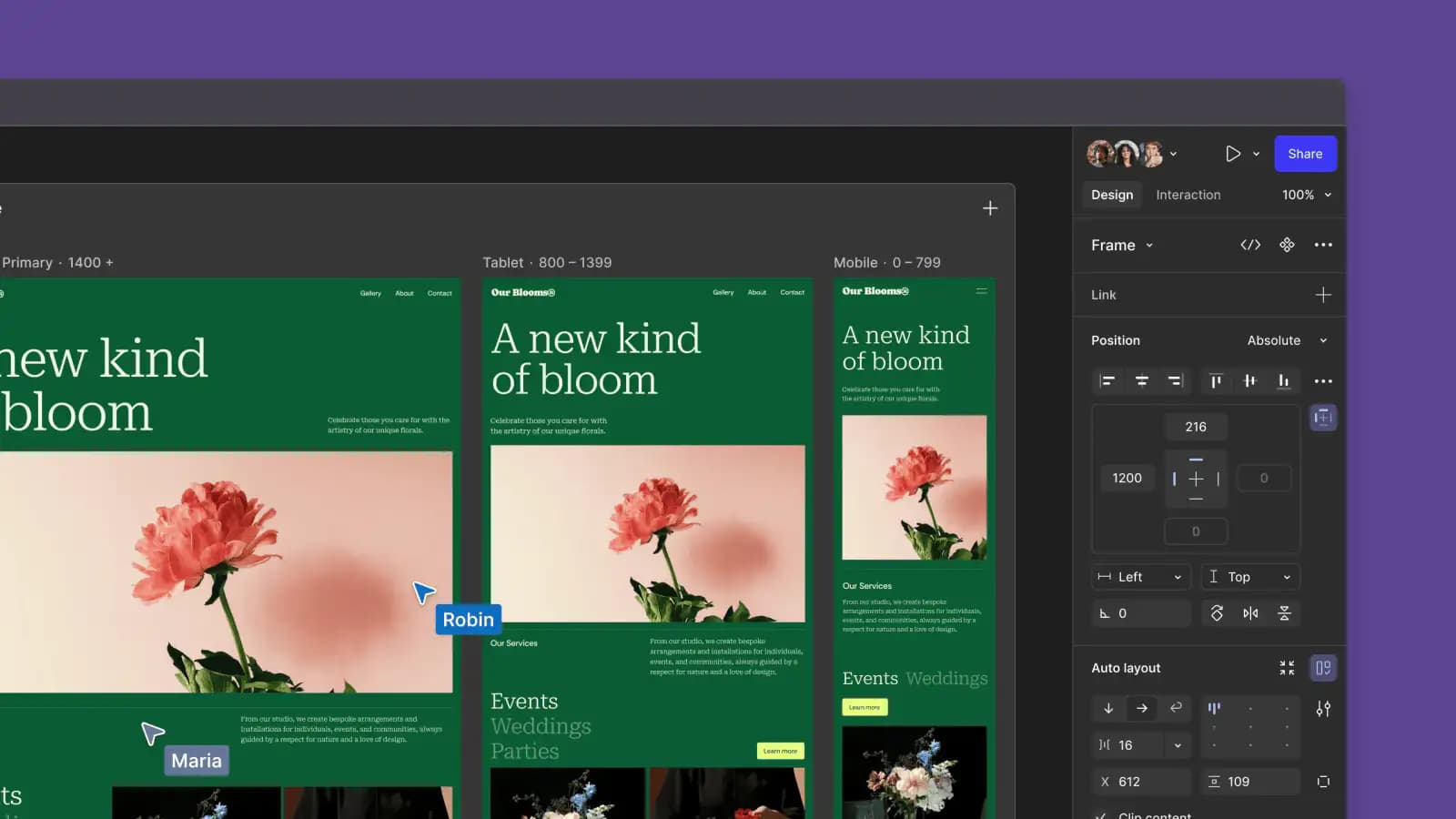
Figma just announced their MCP server. Agents can now design directly on the canvas, skills can guide them, and code and design can finally share the same workspace. Nobody should be shocked. This was the obvious next move. What's surprising is how long it took, especially while they were shipping things like Figma Make that most builders never actually asked for.
Testing the promise
I tested it. My starting point was a full-stack app I'd built code-first, solid codebase, clean documentation, real structure. I pointed the agent at it and asked Figma to meet me halfway with a design. By evening I was in the Figma team's inbox sharing my results. ( Sorry, Chase :)
The output wasn't even close to what the announcement implies, and the gap is wide enough to matter.
The real problem isn't quality
But the thing that bothered me most wasn't the quality. It was the rate limit. Day one of a beta, on a Pro plan, you get 200 MCP calls per day. You can exhaust that just getting familiar with the tool.
Rate limiting makes sense, eventually. But not before people have had the chance to fall in love with it. If you want builders to build habits around your product, you let them go deep first.
What the limit actually says
The rate limit is a symptom, not a policy decision. It says: we're not sure people should go deep yet.
But that hesitation is exactly what competitors don't have. If you want to win the canvas, you let people wreck it first.